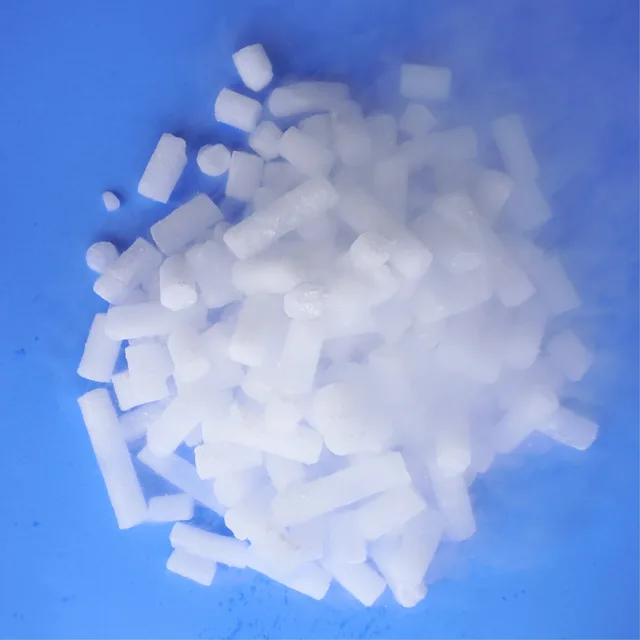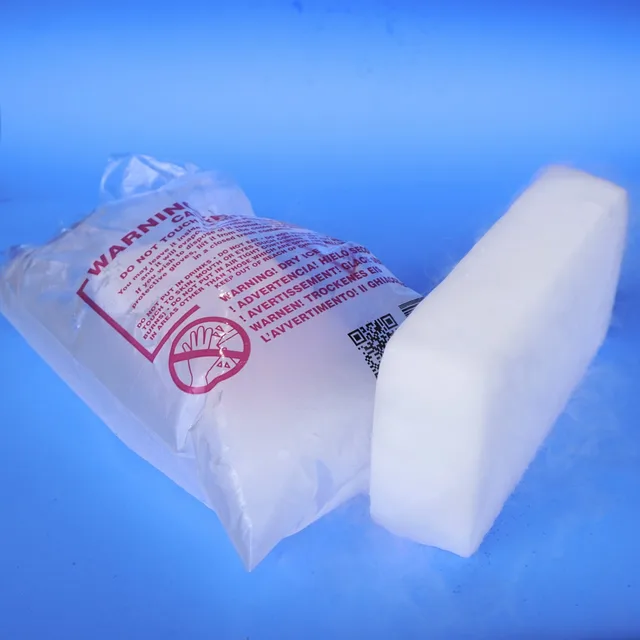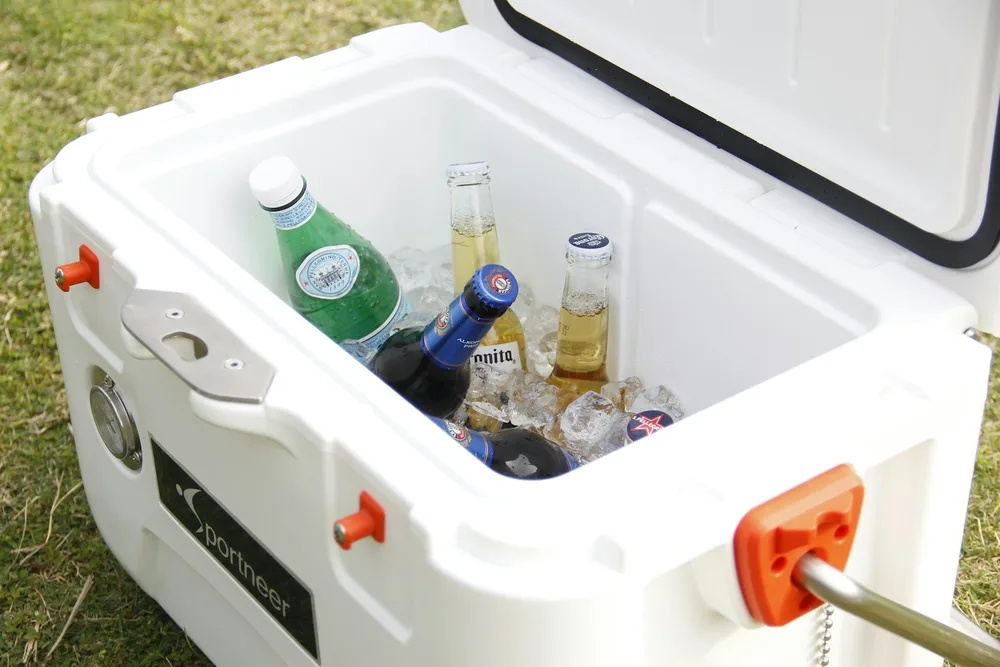
When it comes to shipping temperature-sensitive products like food, medicine, or perishables, using gel packs correctly is essential. While gel packs are a powerful cooling solution on their own, pairing them with dry ice packs for shipping elevates efficiency to the next level. This guide explains step-by-step how to use gel packs for shipping, the benefits of combining them with dry ice packs, and best practices to ensure your goods arrive perfectly intact.
Looking for the right packaging? Sub-Zero Dry Ice stocks insulated coolers and gel packs built for dry ice cold chain.
What Are Gel Packs and How Do They Work?
Gel packs are flexible, reusable cooling packs filled with a gel substance that freezes and retains cold temperatures longer than regular ice. They are ideal for short to mid-length trips where consistent cooling is needed. However, when shipments require extended cooling duration or sub-zero temperatures, dry ice packs for shipping become the perfect companion.
Combining gel packs with dry ice packs helps create a multi-layered solution for cold storage. Gel packs manage temperatures above freezing, while dry ice packs provide sub-zero cooling and longer-lasting results.
Step-by-Step Guide to Using Gel Packs for Shipping
Step 1: Pre-Condition the Gel Packs
Freeze your gel packs solid before use. For best results, freeze them for at least 24 hours. Properly conditioned gel packs are the foundation of effective cooling.
Step 2: Select the Right Packaging
Use insulated shipping boxes or coolers to slow temperature loss. Pairing these with dry ice packs ensures even better temperature control for long trips.
Step 3: Position Gel Packs Strategically
Place gel packs around your products—on the top, bottom, and sides. This ensures an even temperature throughout the shipment. If your items require freezing temperatures for extended periods, add dry ice packs underneath or beside the gel packs.
Step 4: Combine with Dry Ice for Long Duration
For longer transit times, dry ice packs are critical. While gel packs begin to warm up, dry ice sublimates into gas, maintaining sub-zero temperatures.
Step 5: Seal the Shipment Properly
Ensure the box is securely closed to prevent air gaps. Tight packaging reduces heat transfer, extending the life of both gel packs and dry ice packs.
Benefits of Combining Gel Packs with Dry Ice Packs for Shipping
Extended Cooling Duration
Gel packs are excellent for short-term cooling, but dry ice packs extend cooling times significantly. This combination ensures your shipment remains frozen for days, not just hours.
Mess-Free Shipping
Gel packs are leak-proof, while dry ice packs sublimate into gas, leaving no water or residue. This makes the solution clean, hassle-free, and safe for most products.
Cost and Weight Efficiency
Using both gel packs and dry ice packs allows you to optimize the quantity of cooling materials used. By combining them strategically, you can reduce weight, shipping costs, and unnecessary waste.
Ideal for Different Temperatures
Gel packs keep temperatures around freezing, while dry ice packs maintain sub-zero temperatures. This versatility makes them perfect for products requiring specific temperature ranges.
Applications of Gel Packs and Dry Ice Packs for Shipping
Combining gel packs and dry ice packs offers unmatched flexibility and effectiveness. Here are common applications:
- Food and Beverage Shipping: Keep gourmet meals, frozen meats, or baked goods fresh for hours or days. Gel packs handle the short-term cooling, while dry ice packs ensure long-term freezing.
- Medical and Pharmaceutical Products: Temperature-sensitive items like vaccines or medications require precise temperature control. The combination of gel packs and dry ice packs ensures compliance with safety regulations.
- E-Commerce Shipping: Businesses shipping frozen or perishable goods benefit from the dual power of gel packs and dry ice packs to guarantee product quality upon arrival.
Best Practices for Shipping with Gel Packs and Dry Ice Packs
To ensure optimal results when using gel packs and dry ice packs for shipping, follow these best practices:
- Choose High-Quality Insulated Boxes: Insulated boxes with thick walls slow down heat transfer and help both gel packs and dry ice packs last longer.
- Fill Empty Spaces: Use packing materials to eliminate air gaps, reducing temperature loss.
- Follow Shipping Guidelines: For shipments containing dry ice packs, ensure compliance with carrier regulations for weight and labeling.
- Layer Properly: Place gel packs near sensitive areas and position dry ice packs beneath or around the shipment to create a temperature gradient.
- Monitor Duration: Use tracking tools or time estimates to determine the amount of gel packs and dry ice packs needed.
How Many Gel Packs and Dry Ice Packs Do You Need?
The quantity of gel packs and dry ice packs for shipping depends on:
- Transit Time: Short trips may require only gel packs, while longer shipments benefit from the addition of dry ice packs.
- Product Type: Perishables like frozen meats or medical supplies need more cooling.
- External Temperatures: Warmer climates require more gel packs and dry ice packs to maintain stable temperatures.
Why Choose Dry Ice Packs for Shipping Alongside Gel Packs?
While gel packs are effective for regular cooling, dry ice packs for shipping offer unique benefits:
- They sublimate, leaving no mess.
- They maintain sub-zero temperatures for longer duration.
- They are ideal for products requiring frozen or deep-frozen conditions.
Using gel packs and dry ice packs together provides a solution that balances efficiency, cost-effectiveness, and temperature control.
Why the Right Cooler Matters for Gel Packs and Dry Ice Shipping
Choosing the right cooler for shipping is just as important as using gel packs and dry ice packs effectively. A high-quality styrofoam shipping cooler ensures maximum insulation, preventing temperature fluctuations and extending the cooling duration.
For short-term shipments, a small styrofoam cooler combined with gel packs keeps items chilled without freezing them. For longer transit times, dry ice packs inside a custom shipping cooler or dry ice coolers in various sizes help maintain sub-zero temperatures.
Additionally, logo coolers provide businesses with brand visibility, while mylar bags add an extra protective layer against heat and moisture. Sub Zero Dry Ice offers premium insulated coolers designed for food, medical, and industrial transport needs, whether you need bulk orders or custom solutions.
Conclusion: Mastering the Art of Shipping with Gel Packs and Dry Ice
Using gel packs correctly can make all the difference in temperature-sensitive shipping, but combining them with dry ice packs unlocks unmatched cooling power. Together, they extend cooling duration, ensure mess-free transit, and guarantee your goods arrive fresh, frozen, and intact.
Whether you're a business owner shipping perishables or a medical provider handling sensitive products, leveraging both gel packs and dry ice packs for shipping is the ultimate solution for safe, reliable, and cost-effective cold chain shipping.
Plan smart, pack smart, and ship with confidence—because with the power of gel packs and dry ice packs for shipping, your cargo will never lose its chill.