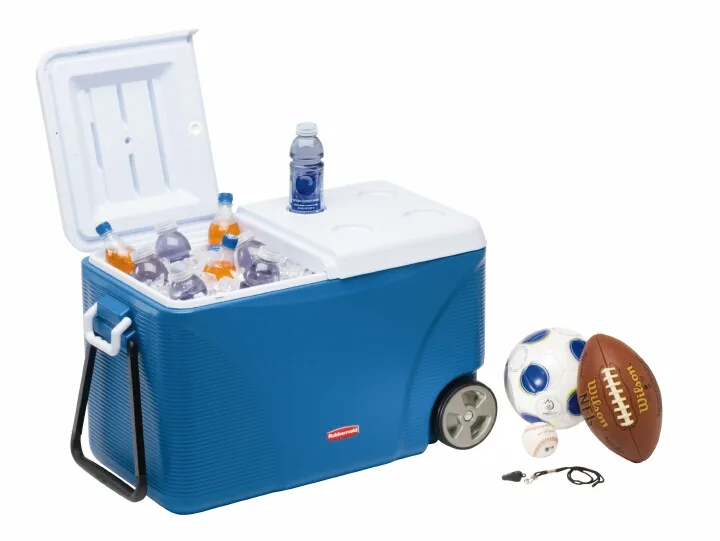
Photo: Rubbermaid Products from Huntersville, North Carolina, United States (CC BY)
What Is Dry Ice and Why Use It in a Cooler?
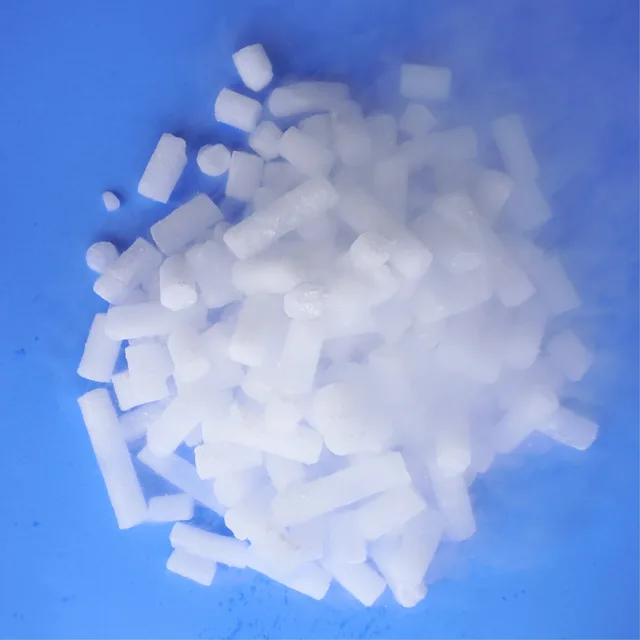
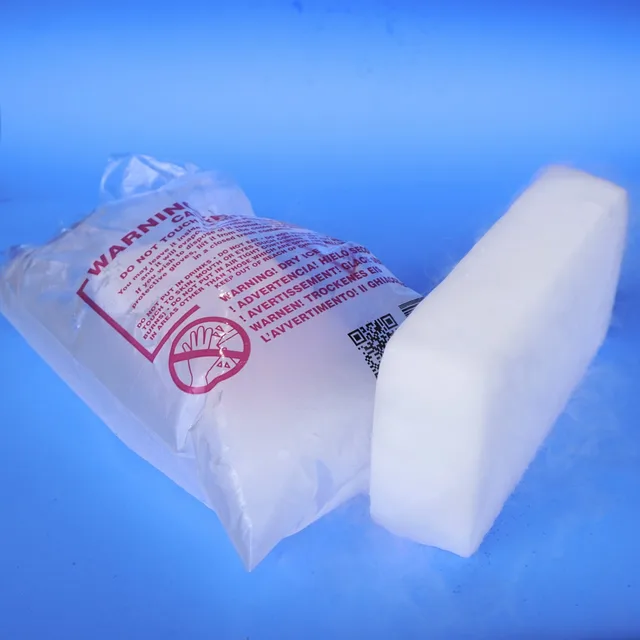
Dry ice is the solid form of carbon dioxide, known for its incredibly low temperature of -109.3°F (-78.5°C). Unlike traditional water ice, dry ice sublimates — it turns directly from a solid into gas without becoming a liquid. That property makes dry ice an excellent choice for keeping items frozen or cold during transportation or extended trips. Whether you're heading on a camping trip, storing perishables, or transporting frozen goods, dry ice offers distinct advantages over traditional ice.
Looking for the right packaging? Sub-Zero Dry Ice stocks insulated coolers and gel packs built for dry ice cold chain.
One of the main reasons to use dry ice in a cooler is its ability to maintain freezing temperatures far longer than water ice. Traditional ice melts and can dilute food and drinks; dry ice keeps everything frozen without adding moisture, which matters for frozen foods, meats, or sensitive items that need to stay dry.
Dry ice also holds up better under warm conditions. During camping trips or road trips, where temperatures can climb, dry ice blocks or pellets maintain their cooling power far longer than regular ice. A cooler specifically designed for dry ice helps maximize that efficiency further, keeping items cold over extended periods.
How to Use Dry Ice in a Cooler
Packing a Cooler With Dry Ice
Packing a cooler with dry ice takes some planning to get maximum cooling efficiency. Unlike regular ice, which can be thrown in loosely, dry ice needs to be packed so it stays effective while keeping your items safe from direct exposure.
Place a layer of insulation between the dry ice and the food or drinks you're storing — cardboard, towels, or even layers of newspaper work as a barrier. This prevents direct contact between your items and the dry ice, which could freeze goods too quickly or cause damage.
For maximum efficiency, place the dry ice at the top of the cooler — cold air sinks, so it helps keep the contents below cold. Depending on the cooler and what you're storing, you can also place dry ice on the sides or bottom, especially for larger quantities of frozen goods.
If you're mixing frozen and non-frozen items, layer the cooler: place frozen goods near the dry ice, and items that need to stay cold but not frozen further away. This keeps everything at the right temperature without over-freezing delicate items.
How Much Dry Ice for a Cooler?
The amount of dry ice you'll need depends on the size of the cooler and the length of the trip. As a general rule, plan on 5 to 10 pounds of dry ice for every 24-hour period — larger coolers or longer trips need more. A medium-sized cooler, for example, might need 10 to 20 pounds of dry ice to keep items frozen for a full day.
Factor in the external temperature and your cooler's insulation quality. A high-quality, well-insulated cooler retains cold air longer and needs less dry ice; a less insulated cooler, or warmer conditions, will need more to compensate for the heat.
Safety Tips for Handling Dry Ice in Various Cooling Systems
Dry ice sublimates at -109.3°F (-78.5°C) and releases carbon dioxide gas, which can accumulate in enclosed spaces. If you're combining dry ice with an evaporative cooler, make sure the area is well-ventilated to prevent CO₂ buildup, which can pose a suffocation risk.
Dry ice should never be stored in a conventional freezer. Its extreme cold can significantly drop a freezer's internal temperature, potentially damaging components and causing it to shut down — and the pressure buildup from carbon dioxide gas in a closed space can become dangerous. Instead, keep dry ice in an insulated container with a loose-fitting lid that lets gas escape safely.
How Long Does Dry Ice Last in a Cooler?
Factors That Affect How Long Dry Ice Lasts
Dry ice in a cooler typically lasts 18 to 24 hours under normal conditions, but several factors can shorten or extend that. Cooler size and insulation quality matter most: a well-insulated cooler retains cold air longer, slowing sublimation, while a less insulated one lets more heat in and burns through dry ice faster.
External temperature matters too — warm environments, like a summer camping trip, speed up sublimation, while colder conditions make dry ice last much longer, which is ideal for winter camping or cool-climate events. And the amount of dry ice you use plays a role: more dry ice naturally lasts longer, while smaller amounts sublimate quicker.
Average Duration of Dry Ice in a Cooler
On average, dry ice lasts 18 to 24 hours in a cooler, though this varies with how the cooler is packed and what's stored inside. Keeping goods at sub-zero temperatures tends to push dry ice closer to the 24-hour mark; keeping drinks cold but not frozen sublimates faster due to less dense packing.
For longer trips, add extra dry ice to ensure your cooler stays cold the whole journey. For shorter trips, smaller amounts suffice — but it's always wise to pack more than you think you'll need, especially in a warm climate.
Best Coolers for Dry Ice
Choosing the Right Cooler for Dry Ice
Not all coolers perform the same with dry ice. Insulation is critical — thick walls and high-quality foam insulation retain the cold produced by dry ice and make it last longer. The cooler should also be close to airtight, without being fully sealed: trapping cold air helps, but CO₂ gas from sublimation needs a way to escape, or pressure can build up and cause the cooler to burst.
Size matters too. A larger cooler holds more dry ice and keeps items cold longer, which suits long trips or large events; smaller coolers work fine but may need more frequent replenishment.
Popular Cooler Brands for Dry Ice
Brands like YETI, Pelican, and Igloo are known for high insulation quality and durability, making them solid choices for camping trips, outdoor events, or extended road trips. For the best performance specifically with dry ice, look for a cooler built to withstand the extreme cold and designed to maximize dry ice's effectiveness, whether for frozen food storage or keeping drinks cold at a party.
Safety Tips for Using Dry Ice in a Cooler
How to Store Dry Ice in a Cooler
Storing dry ice in a cooler is effective, but it takes a few precautions to avoid accidents. Always use dry ice gloves or thick, insulated gloves when handling it — direct contact can cause frostbite-like burns given its extreme temperature. Use tongs or another tool to move dry ice blocks or pellets into the cooler, minimizing skin exposure.
Ensure adequate ventilation. As dry ice sublimates, it releases carbon dioxide gas — not harmful in small quantities, but it can displace oxygen in confined spaces. Never seal a cooler tightly when storing dry ice; leave the lid slightly ajar or create a small opening for the gas to escape. If transporting the cooler in a vehicle, make sure there's sufficient ventilation to prevent CO₂ buildup inside the car.
Store dry ice away from items that could freeze solid if exposed to extreme cold. Layering with towels or cardboard as insulation separates dry ice from items that don't need to be frozen, so you get the cooling power without ruining delicate contents.
Precautions When Handling Dry Ice
Avoid touching dry ice with bare hands — it can cause immediate frostbite. Always use gloves, tongs, or other insulated tools to move or pack it. Place your cooler in a well-ventilated area: the sublimation process produces carbon dioxide gas that's safe in open areas but can pose a suffocation hazard in confined spaces with poor ventilation, including a car left closed for extended periods.
Plan ahead — estimate how much dry ice you'll need based on cooler size and trip length, and pack more than you think you might need, especially heading into a warm environment.
Where to Store Dry Ice Safely Before Use
If you buy dry ice ahead of your trip, store it in a well-ventilated area and avoid airtight containers — as it sublimates into CO₂ gas, it needs space to expand, and a sealed container could burst from gas pressure buildup. Never store dry ice in a regular freezer, since the extreme cold can damage the freezer's components and the CO₂ gas can affect its internal environment. Instead, use a well-insulated container that isn't sealed tightly, ideally a cooler designed specifically for holding dry ice.
Maximizing the Efficiency of Dry Ice in Coolers
Keeping Items Cold for Longer
Pre-chill your cooler before adding dry ice — a few hours with regular ice or frozen gel packs inside lowers the internal temperature and helps the dry ice last longer once it's added. Layer contents strategically: place frozen items and anything that needs to stay coldest closest to the dry ice, and keep less temperature-sensitive items farther away. Insulated dividers or cardboard help create those layers and optimize cold-air circulation.
How to Pack Items Around Dry Ice
Place the largest dry ice blocks at the bottom of the cooler to create a cold base that chills everything above it. Smaller pellets can be spread more evenly throughout for even distribution. Layer items by temperature need — frozen goods closest to the dry ice, items that only need to stay cold (drinks, deli meats) farther away — and use towels, newspaper, or insulated bags to prevent items from freezing unintentionally.
Keep the cooler lid tightly sealed but with a small opening for ventilation, so carbon dioxide gas from sublimation can escape without compromising the cooling effect. On extended trips, check the dry ice periodically and add more if needed, especially in warmer climates.
Conclusion
Using dry ice in a cooler is an excellent way to keep items cold or frozen during trips, events, or transportation. With proper handling and packing, dry ice lasts much longer than regular ice, providing cooling power without the mess of melted water. Whether you're camping, tailgating, or shipping temperature-sensitive products, dry ice blocks and pellets are the ideal solution for maintaining the cold — as long as you choose the right cooler, pack strategically, and follow the safety precautions above.