Photo: roland (CC BY)
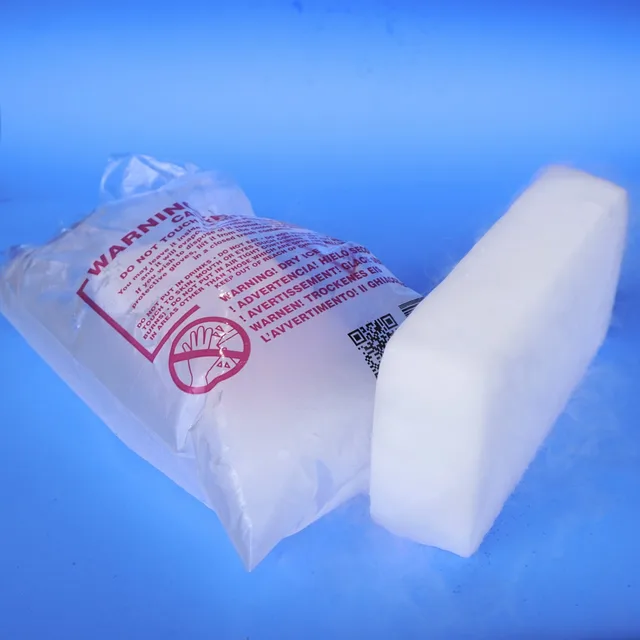
Dry ice is an incredibly useful cooling agent, but it must be handled with extreme caution. If you're wondering what happens if you touch dry ice without protection, the short answer is: it can cause severe injury. Dry ice solid blocks and dry ice pellets are extremely cold, with a temperature of -109.3°F (-78.5°C). Direct contact with dry ice can lead to serious cold burns, also known as frostbite, within seconds.
Not sure how much you'll need? Our dry ice calculator estimates the right quantity for your cooler, shipment, or event in seconds.
1. Instant Freezing of Skin
The extreme cold of dry ice causes moisture on your skin to freeze immediately upon contact. Unlike regular ice, which melts upon touch, dry ice sublimates, turning directly into gas, which makes it even more dangerous.
2. Severe Frostbite and Skin Damage
Prolonged exposure to dry ice can cause frostbite, which damages skin cells and tissue. Symptoms of frostbite from dry ice include redness or whitening of the skin, numbness or tingling, a hard, waxy texture of the skin, and blistering in severe cases.
If contact occurs, it is essential to remove the affected area from further exposure and seek medical attention if symptoms worsen.
How to Safely Handle Dry Ice
To prevent injury, always follow these safety guidelines when handling dry ice solid blocks or dry ice pellets:
1. Use Protective Gear
Always wear dry ice gloves or thick insulated gloves when handling dry ice to prevent burns. If gloves are unavailable, use tongs or another protective barrier.
2. Never Handle with Bare Hands
Even brief contact with dry ice can cause burns. Always use proper tools when moving or placing dry ice containers.
3. Ensure Proper Ventilation
Because dry ice sublimates into carbon dioxide gas, it is crucial to store and use it in a well-ventilated area to prevent buildup, which can be hazardous in enclosed spaces.
What to Do If You Accidentally Touch Dry Ice
If you touch dry ice without protection, follow these steps immediately:
- Remove contact — do not continue touching the dry ice. Move your hand or skin away as quickly as possible.
- Warm the area — use warm (not hot) water or a warm cloth to slowly bring the affected area back to normal temperature.
- Do not rub — rubbing the area can cause further damage to the skin.
- Seek medical attention — if the area remains numb, turns white, or blisters, seek professional medical help immediately.
Safe Storage and Handling of Dry Ice
To avoid accidental exposure, always store dry ice in dry ice coolers or dry ice containers. If you need to transport dry ice, follow our guide on how to travel in a car with dry ice for safety recommendations.
Conclusion
So, what happens if you touch dry ice without protection? The risks include severe burns, frostbite, and potential long-term skin damage. To stay safe, always use dry ice gloves, follow recommended safety guidelines, and handle dry ice with care.