What Is Dry Ice and Why Is It Dangerous in a Car?
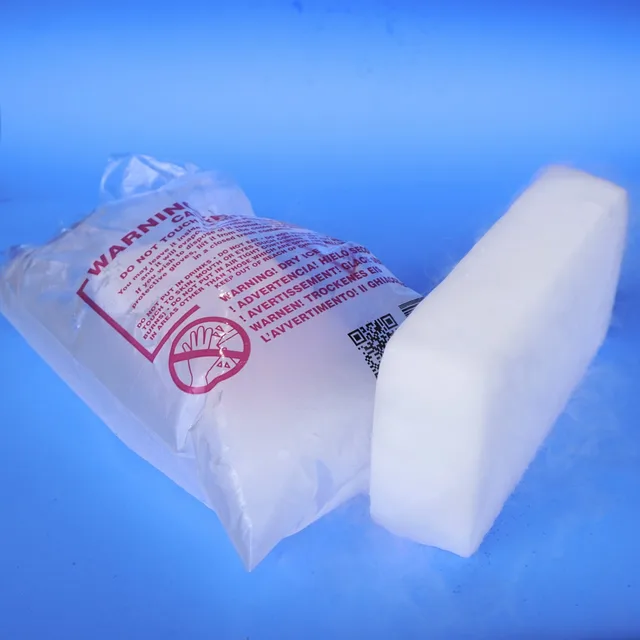
Dry ice is the solid form of carbon dioxide (CO2), frozen at an extremely low temperature of -109°F (-78°C). Unlike regular ice, which melts into water, dry ice sublimates—meaning it transforms directly into carbon dioxide gas as it warms up.
Not sure how much you'll need? Our dry ice calculator estimates the right quantity for your cooler, shipment, or event in seconds.
When driving with dry ice in a car, this sublimation poses two significant risks:
- CO2 Buildup: carbon dioxide gas can displace oxygen in confined spaces, leading to breathing difficulties or even unconsciousness.
- Pressure Build-Up: if dry ice is stored in an airtight container, gas buildup can cause the container to explode.
Because of these risks, proper handling, storage, and ventilation are critical for safely using dry ice in a car.
Safety Precautions for Using Dry Ice in Car Travel
Before transporting dry ice in a car, follow these safety guidelines:
1. Maintain Proper Ventilation
Ventilation is the single most important precaution when traveling with dry ice:
- Keep Windows Open: crack open the windows or sunroof to ensure fresh air circulation.
- Avoid Closed Spaces: never leave dry ice in a fully sealed vehicle, as CO2 gas can accumulate rapidly.
2. Use Appropriate Containers
Proper storage of dry ice solid blocks reduces risks:
- Insulated Coolers: use hard-sided, insulated coolers or boxes to slow sublimation.
- Never Use Airtight Containers: allow gas to escape safely by keeping the container slightly open to prevent pressure buildup.
3. Position Dry Ice Safely
- Place dry ice in the trunk or cargo area of the car, not the passenger cabin. This keeps CO2 away from passengers.
- Secure the cooler so it doesn't tip or spill while driving.
4. Limit the Amount of Dry Ice
Transport only the amount of dry ice necessary for your trip. Smaller quantities release less CO2 gas, making ventilation more manageable.
5. Use Protective Equipment
- Always wear insulated gloves or tongs when handling dry ice to avoid frostbite.
- Avoid direct skin or eye contact with dry ice.
Step-by-Step Guide to Packing Dry Ice for Car Travel
To maximize safety and efficiency, follow this detailed guide when traveling with dry ice in a car:
Step 1: Choose the Right Cooler
Select a durable, insulated cooler that slows the sublimation process. Heavy-duty coolers are ideal for long trips, while styrofoam coolers work for shorter journeys.
Step 2: Prepare the Dry Ice
- Purchase dry ice close to your departure time to minimize sublimation.
- Use insulated gloves to handle dry ice safely. Break larger chunks into smaller pieces for better cooling coverage if necessary.
Step 3: Pack the Cooler Strategically
- Layer the Dry Ice: place dry ice at the bottom of the cooler for maximum cooling efficiency.
- Protect Your Items: add a layer of cardboard or cloth over the dry ice to avoid direct contact with your items, which could freeze them solid.
- Leave Space for Ventilation: never seal the cooler completely; leave a small gap for gas to escape.
Step 4: Place the Cooler in Your Car
- Position the cooler in the trunk or cargo area of your vehicle. Avoid placing it in the passenger cabin.
- Ensure the cooler is upright and secure to prevent movement during transit.
Step 5: Monitor Conditions During the Trip
- Regularly check for signs of CO2 exposure, such as lightheadedness or shortness of breath.
- Open the car doors or windows periodically to allow fresh air in and CO2 gas out.
Warning Signs of CO2 Buildup in a Car
Using dry ice in car travel increases the risk of carbon dioxide buildup, especially on long trips. Be aware of these warning signs:
- Drowsiness or Fatigue: excess CO2 can make you feel unusually sleepy.
- Shortness of Breath: difficulty breathing or rapid breathing indicates poor oxygen levels.
- Headache or Dizziness: these are early signs of CO2 overexposure.
- Nausea: feeling sick or disoriented could signal excessive gas in the air.
If you notice any of these symptoms, immediately stop the car and exit the vehicle, then open all doors and windows to let CO2 gas escape.
Long-Distance Travel Tips with Dry Ice
If you're traveling long distances with dry ice in a car, take extra precautions:
- Plan Ventilation Breaks. Stop every 1-2 hours to open doors and refresh the air inside the car.
- Store Dry Ice in the Trunk. Avoid placing the cooler in the passenger area. The trunk or rear cargo space is safer and reduces CO2 exposure.
- Limit Exposure Time. Only open the cooler when absolutely necessary to conserve dry ice and minimize CO2 release.
- Carry a CO2 Detector. Portable CO2 detectors can monitor gas levels in your vehicle, providing an extra layer of safety for longer trips.
Why Use Dry Ice in a Car for Travel?
When handled safely, using dry ice in a car offers several advantages over regular ice:
- Longer Cooling Duration: dry ice keeps items frozen for much longer than regular ice, making it ideal for extended trips.
- No Water Mess: since dry ice sublimates into gas, there's no melted water to deal with. This keeps the cooler clean and items dry.
- Consistent Freezing Temperatures: dry ice maintains a temperature of -109°F (-78°C), ensuring that perishable goods remain frozen solid.
- Compact and Lightweight: dry ice takes up less space and weighs less than an equivalent amount of regular ice, making it easier to transport.
Choosing the Right Cooler for Safe Dry Ice Transportation
When traveling with dry ice in a car, selecting the proper cooler is just as important as handling the dry ice safely. A well-insulated styrofoam shipping cooler helps slow sublimation, ensuring that your dry ice lasts longer while maintaining a stable temperature for your perishables.
For shorter trips, a small styrofoam cooler provides a lightweight and effective solution to keep items frozen without excessive gas release. If you need to transport larger quantities of dry ice or temperature-sensitive goods, dry ice coolers in various sizes offer extended insulation and durability.
Businesses or individuals shipping products that require branding can benefit from logo coolers, which combine efficient temperature control with customized branding options. To further enhance insulation, mylar bags provide an additional layer of protection against heat and moisture, ensuring that the internal temperature remains stable.
Sub Zero Dry Ice offers pre-molded and custom shipping coolers designed specifically for dry ice transportation, ensuring safety, efficiency, and maximum cooling power. Whether you're using gel packs, dry ice packs for shipping, or insulated containers, the right cooler makes all the difference in maintaining optimal temperature control during car travel.
Conclusion: Safe Travel with Dry Ice in a Car
Using dry ice in car travel can be a highly effective solution for keeping items cold or frozen, whether you're transporting food, medicine, or other perishables. However, safety must always come first. By ensuring proper ventilation, using insulated containers, and handling dry ice with care, you can minimize risks and enjoy the benefits of its powerful cooling properties.
Plan ahead, monitor conditions throughout your trip, and follow these guidelines to ensure safe and successful transportation of dry ice. With the right precautions, dry ice in a car can be a practical and reliable solution for all your cooling needs.