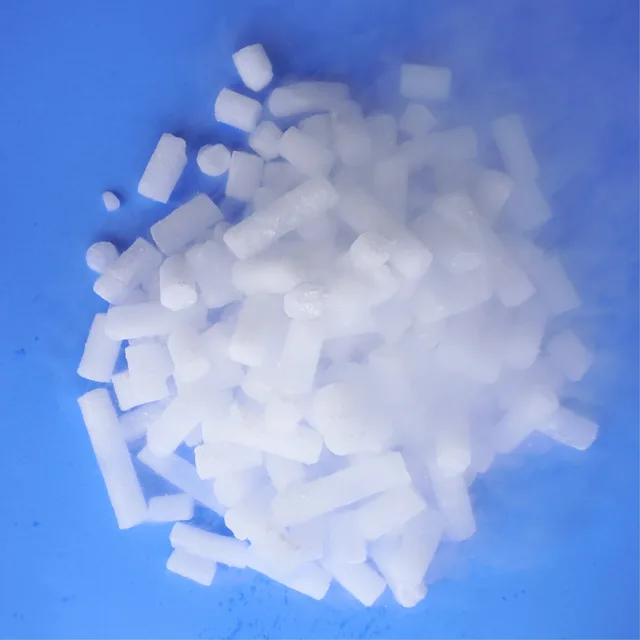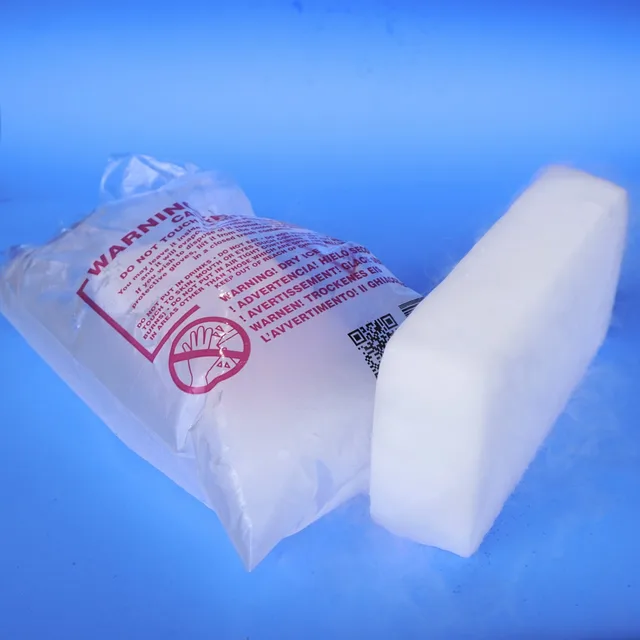
Photo: Eli Duke (CC BY-SA)
What Makes Dry Ice Ideal for Freezing?
Dry ice, the solid form of carbon dioxide, is an extremely effective freezing agent thanks to its extremely low temperature of -109.3°F (-78.5°C). Unlike regular ice, which melts into water, dry ice sublimates directly into gas, so it doesn't leave behind any liquid. That makes it an excellent choice for keeping items frozen, whether you're transporting perishable food, storing frozen goods for an extended period, or using it for a specific freezing application.
For businesses shipping perishables at scale, Sub-Zero Dry Ice runs dedicated frozen food shipping services across South Florida and Puerto Rico.
So how effective is dry ice at freezing things? Very. It can keep food and other items frozen solid for extended periods, depending on how it's used and stored. Whether you're shipping frozen foods across the country or keeping things frozen at a remote location, dry ice's ability to hold freezing temperatures makes it a stronger alternative to traditional ice.
Will Dry Ice Keep Food Frozen?
How Dry Ice Maintains Freezing Temperatures
Dry ice is an excellent solution for keeping food frozen. Because it's much colder than regular ice, it maintains freezing temperatures for much longer — as long as it's properly packed and stored in an insulated cooler or container, the cold air it generates spreads throughout, keeping food frozen during transport or storage.
Because dry ice sublimates, going from solid straight to gas without leaving liquid behind, it's especially useful for transporting food that shouldn't be exposed to moisture — meat, dairy, or certain baked goods. You won't have to worry about water from melting ice contaminating or soaking your food.
Best Practices for Using Dry Ice to Keep Food Frozen
Pack food tightly in the cooler to minimize air gaps, which cause uneven cooling. Place dry ice blocks on top of the food for the most effective freezing, since cold air sinks. For larger items or longer trips, layering dry ice and food helps maintain freezing temperatures over a longer period.
How long dry ice keeps food frozen depends on cooler size, how much dry ice you use, and the external temperature. On average, dry ice keeps food frozen for 18 to 24 hours, and that window extends with more dry ice or a higher-quality insulated cooler.
Can Dry Ice Freeze Water?
Yes. Because dry ice runs at -109.3°F (-78.5°C), it can freeze water very quickly — placed in a container of water, it rapidly lowers the water's temperature, freezing it in a fraction of the time regular ice would take.
The mechanism is a little different from traditional freezing. Dry ice sublimates, going directly from solid to gas and skipping the liquid phase entirely. Placed in water, it starts sublimating immediately, and as the cold air spreads through the water, freezing begins — creating fascinating visual effects as the water seems to freeze almost instantaneously, with fog-like vapor rising from the surface.
Fun Experiments With Freezing Water Using Dry Ice
Freezing water with dry ice is a simple, fascinating experiment. You can create ice sculptures, freeze water in various shapes, or make ice cubes much faster than a traditional freezer by placing small pieces of dry ice into ice cube trays filled with water — producing cool fog effects along the way.
Another experiment: chill a bottle of water in the freezer until it's just below freezing but still liquid, then place dry ice next to the bottle and pour the water onto a surface. It will instantly freeze into solid ice from the rapid temperature drop — a great way to demonstrate how dry ice freezes water quickly.
Does Dry Ice Freeze Other Things?
Dry ice isn't limited to water — it can also freeze other materials quickly and efficiently, whether liquids like juice or solids like food items. Commercial operations often use dry ice to freeze large quantities of perishable goods in preparation for transportation or storage, including delicate or temperature-sensitive items that need to stay intact.
Practical Uses of Dry Ice for Freezing
Dry ice is commonly used to keep food and beverages frozen during transport, ensuring items stay at safe temperatures throughout the journey — companies shipping seafood, ice cream, or meat rely on it to maintain product quality over long trips. In medicine, it's used to preserve organs, tissues, and other biological samples that require freezing, and in laboratories and research settings when freezing needs to happen quickly and efficiently.
How Much Dry Ice Do You Need for Freezing?
The amount of dry ice required depends on the volume of items you're freezing, how long they need to stay frozen, and the type of cooler or container you're using. As a starting point: a small package of frozen food that needs to stay frozen for 24 hours typically needs around 5 to 10 pounds of dry ice, depending on packaging and external conditions. Larger shipments or multi-day trips might require 20 pounds or more to maintain freezing temperatures over time.
Getting the quantity right matters both ways — enough to keep items from thawing prematurely, but not so much that you're over-packing and wasting space or money.
Safety Tips for Using Dry Ice for Freezing
Handling Dry Ice Safely
Dry ice is extremely cold and can cause frostbite on direct skin contact. Always use thick, insulated gloves when handling it, and use tongs to move or pack dry ice in your cooler or container rather than touching it directly.
Dry ice releases carbon dioxide gas as it sublimates, so use it in well-ventilated areas to avoid CO₂ buildup. When storing it in a cooler, don't seal the cooler completely — leave a small vent or opening to let the gas escape safely without building up pressure.
Storing and Disposing of Dry Ice Safely
Store dry ice in a well-ventilated area, never in an airtight container — the pressure from escaping gas can cause a sealed container to burst. If you have leftover dry ice, dispose of it by letting it sublimate in a well-ventilated area. Never throw it in the trash or flush it down the sink, since it can damage plumbing and create hazardous situations — leaving it in an open space lets it turn into gas and dissipate without harmful residue.
Conclusion
Dry ice is an incredibly powerful freezing agent that can keep food, water, and other items frozen for extended periods. Whether you're keeping food frozen during transport or quickly freezing liquids like water, dry ice is a versatile, reliable solution for freezing needs — from commercial shipping to everyday use — as long as you calculate the right amount and follow the safety guidelines above.