Photo: Christopher from Salem, OR, USA (CC BY-SA)
What Is Sublimation?
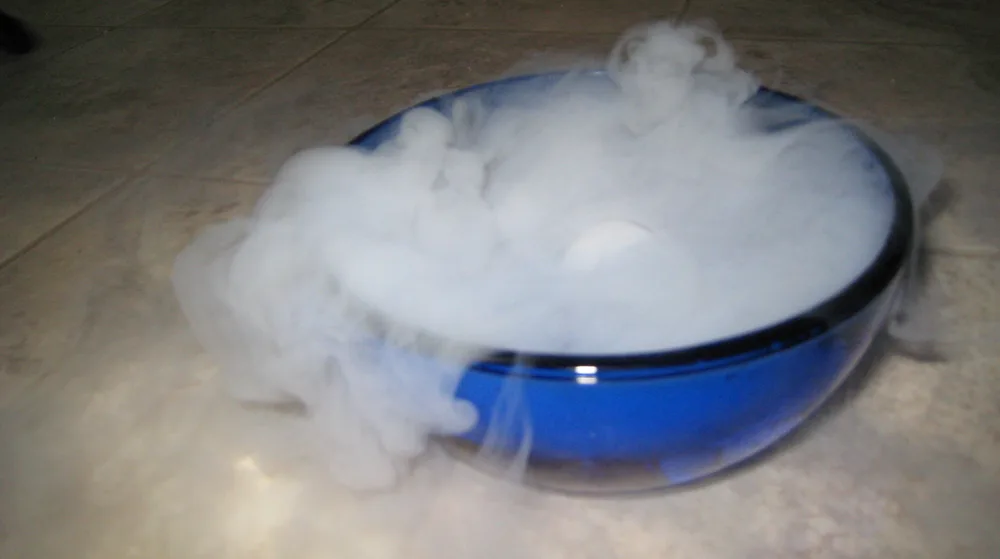
Sublimation is a process in which a solid turns directly into gas without passing through a liquid phase. This happens when the atmospheric pressure and temperature conditions allow a substance to skip the liquid state entirely. Unlike water ice, which melts into liquid before evaporating, dry ice sublimates, meaning it transforms directly from solid carbon dioxide (CO₂) into CO₂ gas.
Not sure how much you'll need? Our dry ice calculator estimates the right quantity for your cooler, shipment, or event in seconds.
How Is Dry Ice Made?
The production of dry ice involves several key steps:
- Capturing Carbon Dioxide Gas – CO₂ is collected as a byproduct from industrial processes like fermentation or ammonia production.
- Compressing and Cooling the Gas – The gas is pressurized and cooled until it liquefies.
- Expanding the Liquid CO₂ – When rapidly expanded, the liquid CO₂ forms a snow-like solid.
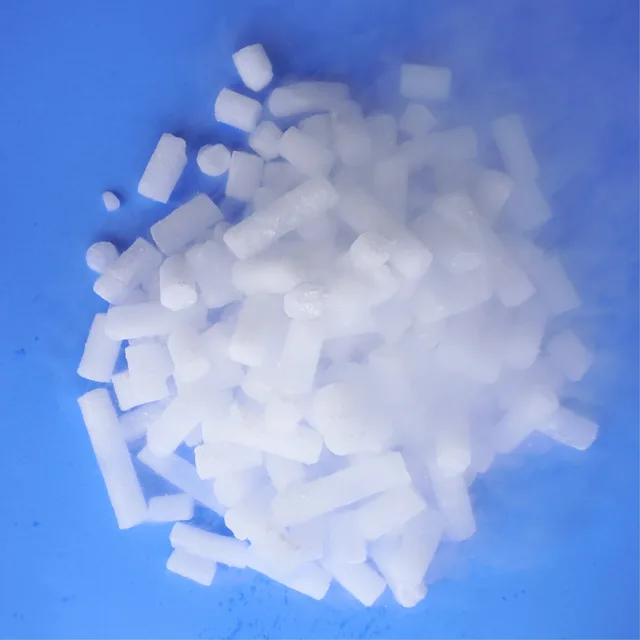
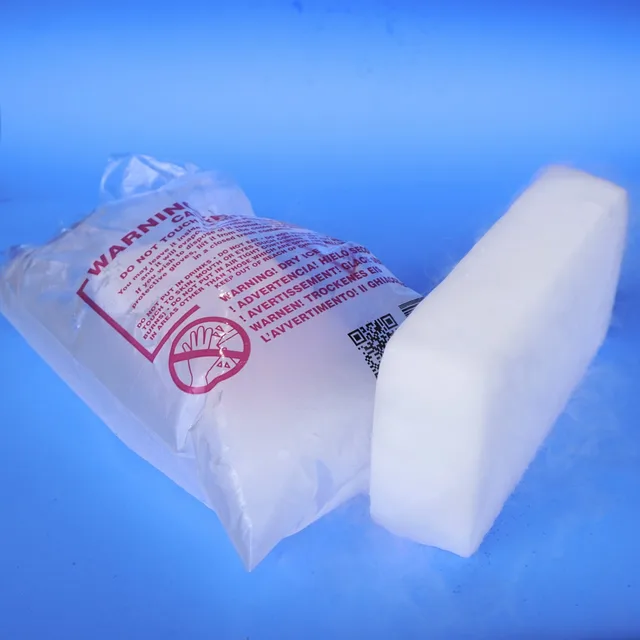
- Pressing Into Blocks or Pellets – This solid CO₂ is then compacted into solid blocks or shaped into pellets, making it easy to handle and transport.
Why Does Dry Ice Sublimate?
Unlike water ice, which requires heat to melt into a liquid, dry ice sublimates due to the difference in its chemical properties. At atmospheric pressure, carbon dioxide does not have a liquid phase, so when exposed to normal temperatures, it instantly converts from a solid to a gas.
Factors that contribute to dry ice sublimation include:
- Temperature: Higher temperatures accelerate sublimation, while lower temperatures slow it down.
- Airflow: Increased ventilation causes dry ice to sublimate faster as more CO₂ gas escapes.
- Surface Area: Dry ice pellets sublimate faster than solid blocks because of their increased surface exposure.
- Container Insulation: Insulated coolers and containers help reduce sublimation by slowing heat transfer.
What Is the Rate of Dry Ice Sublimation?
On average, dry ice sublimates at a rate of 5-10 pounds per 24 hours, depending on storage conditions. The rate can increase in warmer environments or if dry ice is stored in non-insulated containers. Using high-quality insulated coolers can significantly slow down this process.
How to Slow Down Dry Ice Sublimation
If you need dry ice for delivery, airport shipping, or long-term storage, follow these tips to preserve it longer:
- Use Proper Insulation: Store in containers with thick walls.
- Limit Air Exposure: Reduce openings to minimize airflow.
- Keep in a Cold Place: Avoid placing dry ice in direct sunlight or warm areas.
- Use Larger Blocks: Solid blocks last longer than pellets due to their lower surface area.
Safe Handling of Dry Ice
Since dry ice sublimates into CO₂ gas, it must be handled safely:
- Use Insulated Gloves: Direct skin contact can cause frostbite.
- Ensure Proper Ventilation: Never store dry ice in airtight containers to prevent pressure buildup.
- Follow Safety Guides: Learn how long dry ice lasts, how to travel with it in a car, and other important handling tips before your first use.
Where to Buy High-Quality Dry Ice
At Sub Zero Dry Ice, we provide premium solid blocks, blasting pellets, and standard pellets at competitive prices. Our online ordering system for commercial buyers makes it easy to place bulk orders, while our same-day delivery service ensures a reliable supply.
Conclusion
Understanding what sublimation is, how dry ice is made, and why dry ice sublimates helps you use it more efficiently. The rate of sublimation depends on factors like temperature, airflow, and insulation, but with proper storage and handling, you can extend its usability. Whether you need dry ice for coolers, delivery, or industrial blasting, Sub Zero Dry Ice is your trusted supplier for the best quality at the best price.