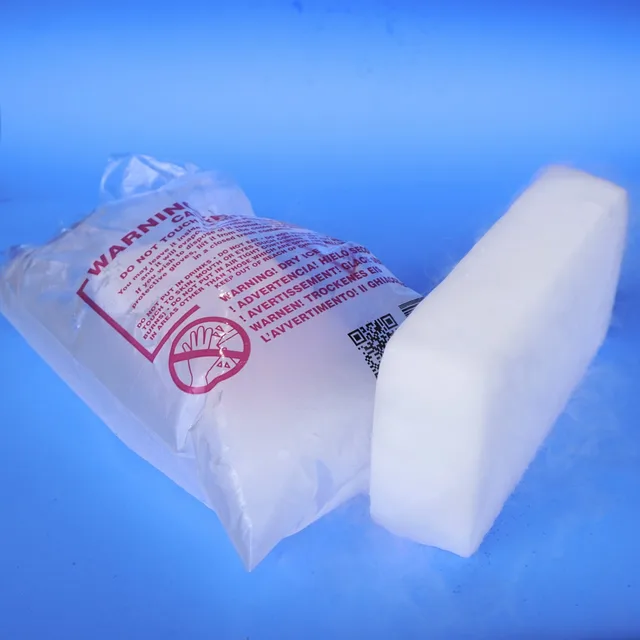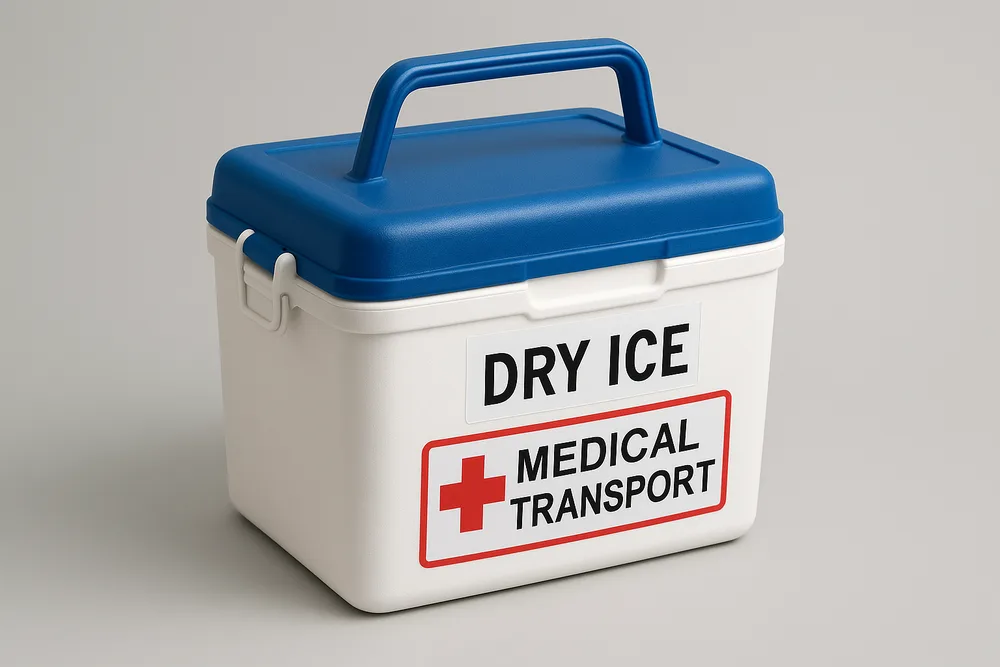
Why Use a Dry Ice Cooler?
Dry ice maintains a temperature of -109.3°F (-78.5°C) — cold enough for shipping ultra-sensitive materials like mRNA vaccines, stem cells, or frozen tissues. Unlike wet ice, it won't melt into water and ruin packaging.
Sub-Zero Dry Ice also provides pharmaceutical and lab cold chain services for facilities across South Florida and Puerto Rico that need validated, on-time cold chain support.
Ideal use cases:
- COVID-19 and mRNA vaccines
- Lab specimens and blood samples
- Tissue and organ shipping (short-term)
- Biological research materials
- Emergency vaccine distribution in remote areas
Using a dry ice cooler allows for secure, temperature-stable, and spill-proof transit — critical in medical logistics.
Medical Items Commonly Shipped with Dry Ice Coolers
- Vaccines (Pfizer, Moderna, etc.)
- Blood plasma, serum, and biopsies
- Clinical trial kits
- DNA, RNA, or cell cultures
- Pathogens or infectious samples (UN3373/IATA Class 6.2 compliant)
- Frozen medications or pharma samples
Step-by-Step: How to Use a Dry Ice Cooler for Medical Transport
1. Choose the Right Cooler
A dry ice-rated cooler is not the same as a typical beach cooler. Look for:
- Thick, multi-layered insulation
- Venting system or passive pressure release
- UN/IATA compliant for air travel
- Food- and pharma-grade interior
2. Prep the Contents
- Pre-freeze contents to reduce strain on dry ice
- Triple packaging is required for infectious samples
- Place contents in secondary packaging to avoid contact with dry ice
3. Load the Dry Ice
- Use protective gloves and safety glasses
- Line the cooler bottom with cardboard or styrofoam
- Place dry ice beneath and around the contents
- Do not overload; keep room for gas expansion
4. Insert the Medical Cargo
- Pack items snugly to prevent movement
- Use thermal insulation to fill any voids
- Avoid direct contact with unprotected vials or test tubes
5. Seal & Label the Cooler
Do not create an airtight seal. Affix all required labels:
- "Dry Ice"
- UN1845 (for solid CO₂)
- Net weight of dry ice
- Medical classification (e.g., UN3373 for bio samples)
6. Choose Fast Transit + Tracking
- Use overnight or 2-day shipping services
- Add temp loggers if required by protocol
- Notify recipients ahead of time for safe unpacking
Common Mistakes When Using a Dry Ice Cooler
Even well-meaning shippers can make dangerous or costly errors. Here's what to avoid:
- Sealing the cooler airtight — may cause pressure build-up and explosion risk.
- Using bare hands to handle dry ice — causes frostbite in seconds.
- Not pre-freezing contents — accelerates dry ice loss.
- Inadequate labeling — can result in shipping delays or legal issues.
- Insufficient dry ice for transit duration — leads to thawed, spoiled contents.
Knowing how to use dry ice coolers means learning what not to do just as much as what to do.
How Long Does Dry Ice Last in Medical Use?
- 5 lbs, small cooler: 18–24 hours
- 10 lbs, medium cooler: 24–36 hours
- 20 lbs, large cooler: 48–72 hours
Pro tip: add more dry ice for longer transit or hotter climates. Always test if shipping internationally.
Carrier Guidelines & Shipping Compliance
FedEx
Accepts medical shipments with dry ice under 200kg. Requires "Dry Ice" and net weight labels.
UPS
Permits dry ice medical shipments with proper UN1845 and weight marking.
IATA (Air Freight)
- Must be labeled Class 9 hazardous material
- Include net weight of dry ice
- May require shipper's declaration for certain items
USPS
Allows domestic shipments with dry ice up to certain limits. Always notify them in advance.
Safety Tips for Medical Personnel and Couriers
- Always store and open coolers in ventilated areas
- Wear gloves and eye protection when handling dry ice
- Do not allow skin contact with dry ice
- Never store dry ice in a car overnight without ventilation
- Use CO₂ sensors in enclosed shipping areas when possible
- Follow CDC guidelines for vaccine transport
Conclusion: Why It Matters
Whether you're distributing vaccines across continents or sending fragile research samples to a lab across town, knowing how to use a dry ice cooler can mean the difference between success and costly failure. With proper preparation, labeling, and safety practices, you can maintain compliance, ensure temperature stability, and protect your cargo every step of the way.