Photo: ecastro (CC BY)
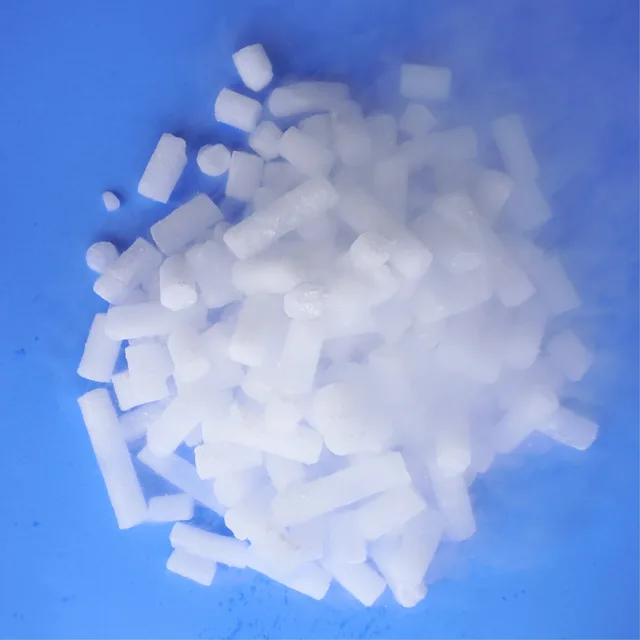
Dry ice — solid carbon dioxide — is common in transportation and storage for keeping things cold. Because it sublimates directly into CO₂ gas, disposing of it the wrong way creates real safety hazards: gas buildup, frostbite, and dangerous conditions in enclosed spaces. Getting disposal right keeps everyone around it safe.
Not sure how much you'll need? Our dry ice calculator estimates the right quantity for your cooler, shipment, or event in seconds.
How to Dispose of Dry Ice Safely
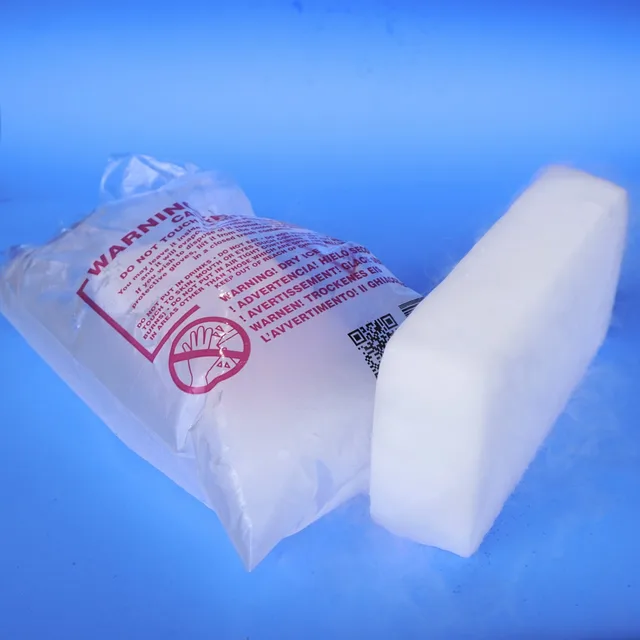
The most effective method is letting it sublimate naturally in a well-ventilated area with good airflow. Keep it in its original packaging during disposal to control the sublimation rate and avoid direct contact that causes frostbite. Never dispose of it down a sink or toilet — it can damage the plumbing — and never use a confined space or throw it in the trash.
The Proper Way to Dispose of Dry Ice
Place it somewhere with good airflow — outdoors, or a room with open windows — and keep the area free of pets and children. As dry ice sublimates, it releases carbon dioxide gas, which can build up in an enclosed area and displace oxygen, creating a suffocation hazard.
What Not to Do When Disposing of Dry Ice
- Don't flush it down a sink or toilet
- Don't throw it in the trash, especially in a sealed container
- Avoid confined spaces where CO₂ could displace oxygen
Where to Safely Get Rid of Dry Ice
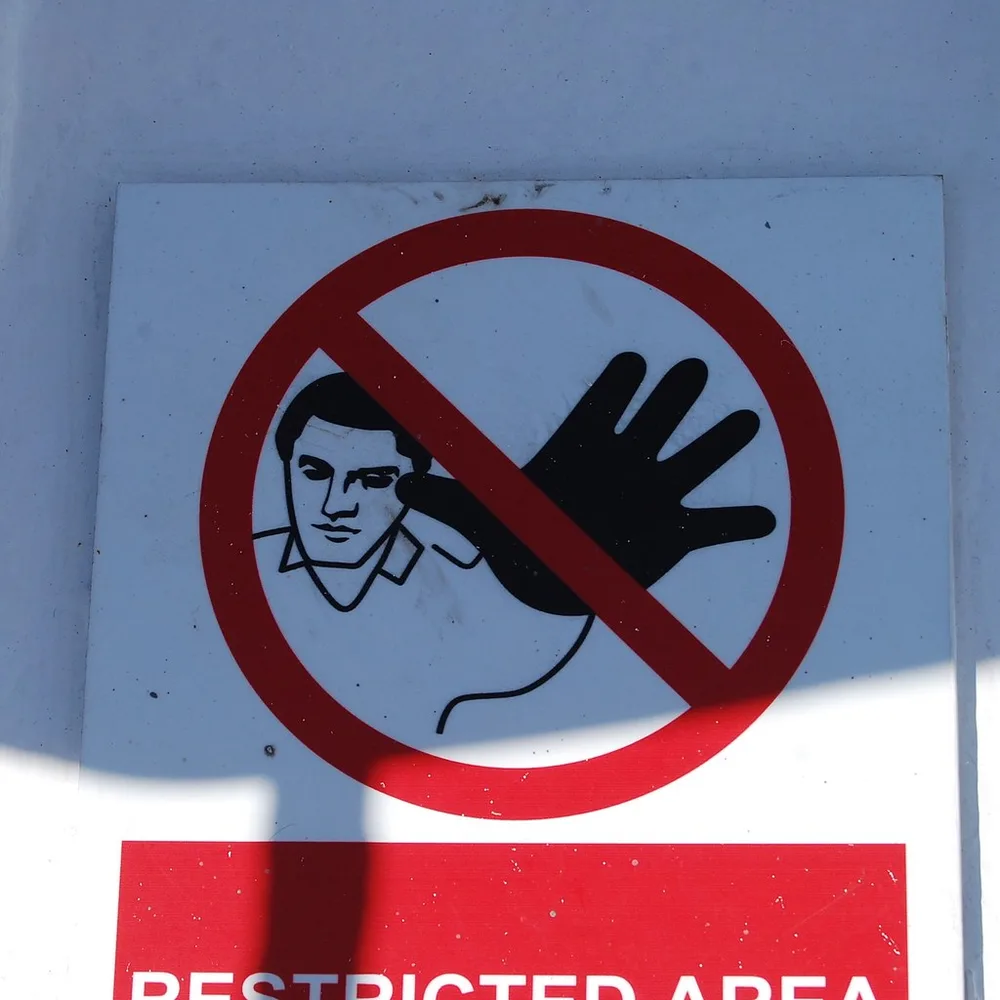
Outdoor locations with plenty of ventilation are ideal. If you're indoors, use a room with open windows and good airflow. Set it on a surface that can handle the cold, and keep it away from pets and children. Never seal it in a container — that's what causes dangerous pressure buildup.
Importance of Avoiding Confined Spaces
Enclosed areas — a garage, a basement, a vehicle — pose a real suffocation risk as CO₂ accumulates. Always dispose of dry ice somewhere the gas can disperse naturally.
How to Break Dry Ice
Wear insulated gloves and safety goggles. Place the dry ice on a sturdy wooden surface and tap it lightly with a hammer or mallet to create manageable chunks. Breaking it increases surface area, which speeds up sublimation. Avoid metal surfaces, and don't use excessive force — that creates dangerous shards.
Common Mistakes When Disposing of Dry Ice
- Sealing containers — pressure from the gas can cause them to burst or explode
- Throwing it in the trash — gas buildup in a sealed bin creates hazardous pressure
- Pouring it into water — causes rapid sublimation with excessive gas and splashing
- Using an unventilated area — creates a CO₂ accumulation risk
How to Handle Leftover Dry Ice
Store it in a well-ventilated area, away from direct contact with other items. Use an insulated container like a cooler, left slightly open so gas can escape. Don't try to refreeze it for later use — it will sublimate regardless. Let it transform naturally for safe disposal.
Why You Shouldn't Throw Dry Ice in the Trash
Sealed garbage bins don't have the ventilation CO₂ needs to escape, which leads to pressure buildup and can damage the bin or cause it to burst. It also puts garbage collectors at risk of frostbite or burns from unexpected contact.
Safe disposal comes down to one rule: let it sublimate naturally somewhere well-ventilated, and avoid the shortcuts — sealed containers, drains, the trash — that turn a harmless process into a hazard.