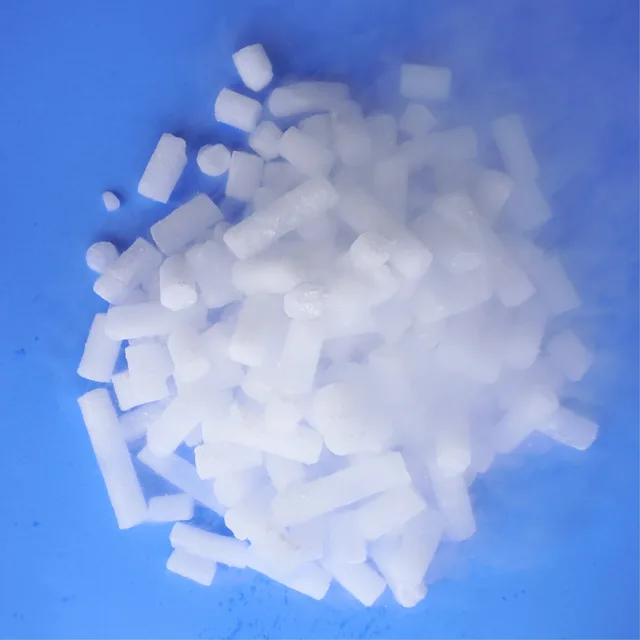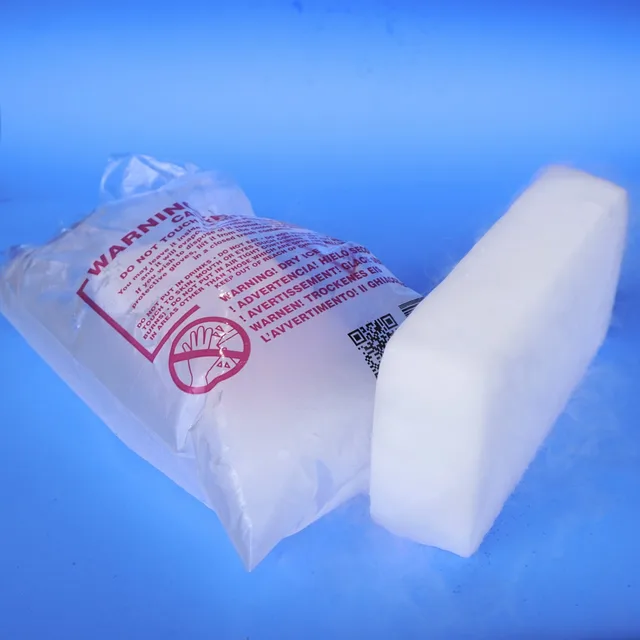
Photo: gordonflood.com (CC BY)
Introduction
Dry ice, the solid form of carbon dioxide (CO₂), is a versatile and powerful tool used across industries. It's particularly well known for its dramatic fog effects and rapid cooling, which is why it's a popular choice for drink presentations, preservation, and even industrial applications. From themed parties to the transportation of perishable goods, dry ice plays a vital role in keeping items cold and adding a touch of theatrical flair to events. But what if dry ice isn't available? Are there effective alternatives?
Planning something bigger? Sub-Zero Dry Ice offers dry ice for events and catering, delivered same-day across South Florida.
Here, we'll look at the most common uses of dry ice, especially around drinks, and weigh the alternatives against it — because in several of the scenarios that matter most, nothing else quite matches what dry ice does.
Common Uses of Dry Ice in Drinks and Beyond
Dry Ice for Drink Presentation
One of the best-known uses of dry ice is in drink presentations, particularly at parties, bars, and special events. The fog-like vapor that billows from drinks as dry ice sublimates into gas creates a stunning visual effect that's become a favorite among bartenders and event planners. The effect adds an air of mystery to any beverage, making it especially popular for Halloween, weddings, themed parties, and high-end bars.
Using dry ice in drinks comes with an added benefit: the drinks stay much colder for much longer. Unlike regular ice, which melts into water and dilutes the beverage, dry ice sublimates directly into CO₂ gas, leaving the drink both chilled and undiluted — ideal for large gatherings where maintaining drink quality over time matters.
Alternatives like regular ice or frozen gel packs can keep drinks cool, but they lack the theatrical quality dry ice brings to the table. Traditional ice may cool drinks but often leads to dilution, a real downside for cocktails or mixed drinks where flavor concentration matters. No other method creates the iconic fog effect that dry ice does, which makes it not just functional but part of the entertainment itself.
Dry Ice for Rapid Cooling
Beyond drink presentations, dry ice is commonly used for rapid cooling — chilling multiple kegs of beer quickly, or bringing a large outdoor event's drinks down to temperature fast. Its extreme cold (-109.3°F or -78.5°C) brings drinks down much faster than traditional ice, which matters for weddings, festivals, or corporate gatherings where beverages need to be chilled quickly to meet demand.
Because dry ice doesn't melt into liquid, it's often preferred over water ice for rapid cooling. Drinks placed in a cooler with dry ice blocks or pellets stay dry and cool faster than with regular ice — with less cleanup, since there's no excess water to drain or spill, which matters especially outdoors.
For transporting beverages or perishable items, insulated dry ice coolers offer a practical solution designed to work with dry ice, keeping items at the required temperature for longer periods than regular ice or gel packs can manage.
When Alternatives to Dry Ice Fall Short
The Unmatched Visual Effect
One of the most compelling reasons to use dry ice in drinks is its dramatic visual effect. As it sublimates, it turns from a solid directly into carbon dioxide gas, creating the iconic fog or mist that makes drinks look ethereal and captivating. No alternative replicates that dense, smoky effect quite as effectively or safely. Liquid nitrogen can produce a similar visual, but it comes with real safety risks and isn't user-friendly for casual events or everyday drink use.
Liquid nitrogen is dangerous to handle, requiring specialized equipment and expertise — it can cause severe burns or even pose an explosion hazard if not used properly. For most users, especially at home or in party settings, that makes it impractical and risky. Traditional ice, meanwhile, offers no visual effect beyond cooling; it just melts into pools of water. Gel packs are useful for keeping drinks cold but carry no aesthetic appeal at all — no "wow" factor for a high-end party or themed occasion where presentation matters.
Cooling Efficiency Compared to Other Methods
Beyond visual appeal, dry ice also wins on cooling efficiency. It cools beverages faster and to a much lower temperature than other methods, thanks to its extreme cold relative to regular water ice. Traditional water ice or frozen gel packs simply can't match that, especially when rapidly chilling large quantities of drinks.
Regular ice can take longer to cool drinks and dilutes them as it melts, and it loses cooling capacity faster in outdoor or warm environments, meaning constant replenishment — a real drag in high-demand settings. Gel packs are common for cooling during transport, but they fall short of dry ice's extreme cold and take up more cooler space, leaving less room for beverages. They can work for small personal use, but they fall short commercially or at events where rapid, efficient cooling is critical.
Dry Ice Alternatives for Drinks
Gel Packs
Gel packs are a popular alternative for keeping drinks cold at picnics, outdoor events, and during food transport. They're reusable and can be frozen in advance, offering portability and lower hazard than dry ice. But on cooling efficiency and visual impact, they fall short in several ways.
Gel packs keep drinks cold for a limited time, but they never reach the extremely low temperatures that dry ice does, which makes them less effective for rapidly cooling beverages or holding cold temperatures over extended periods in warm outdoor environments. They're also less efficient at cooling larger volumes of drinks — a dry ice cooler packed with blocks will chill more drinks, faster.
Gel packs offer no visual effect at all. Unlike dry ice, which creates a dramatic fog as it sublimates, gel packs are purely functional — fine where practicality matters more than appearance, but not the choice for anyone trying to impress guests with a unique experience.
Liquid Nitrogen
Liquid nitrogen is another potential alternative. Like dry ice, it can produce a fog effect as it evaporates, appealing to anyone chasing visual flair. But it carries significant safety concerns that make it impractical for everyday use in drinks, even though professional bartenders sometimes use it in controlled settings.
Liquid nitrogen has an incredibly low boiling point of -320.8°F (-196°C), far colder than dry ice. That extreme cold can cause severe burns or frostbite on contact with skin, and it requires specialized equipment to handle safely — for the average person, using it in drinks is simply too risky. Unlike dry ice, which can be handled with simple insulated gloves and tongs, liquid nitrogen demands far more caution and expertise. It's also less accessible and more expensive than dry ice blocks or pellets, which makes it impractical for most consumers chasing the same fog effect.
Conclusion
When it comes to keeping drinks cold and adding a unique visual appeal, dry ice stands out as the best option. Gel packs, water ice, and liquid nitrogen each serve specific purposes, but none combine cooling power, safety, and visual impact the way dry ice does. Whether you're hosting a themed party, a wedding, or a corporate event, dry ice blocks and pellets remain the go-to solution for keeping drinks chilled while elevating the presentation.